World Liver Day 2026: What We Took Away from Two Events
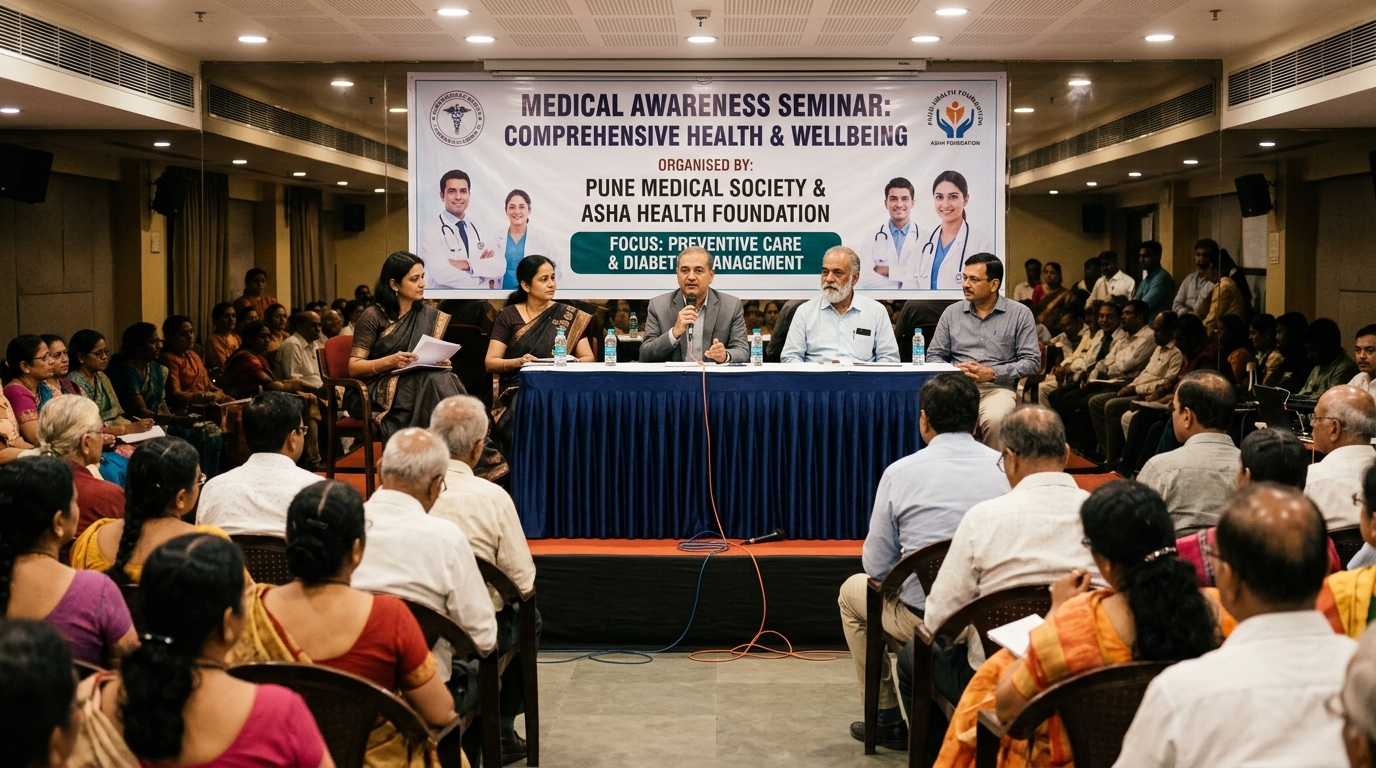
April 19 is World Liver Day — a day set aside globally to draw attention to liver disease, liver health, and the critical shortage of liver donors. This year, Ajooni Lifeline held two events in Ludhiana that brought us into conversation with hundreds of people who had never spoken openly about organ donation before.
Here is what happened, and what it taught us.
Event 1: DMC&H Ludhiana — "Solid Habits, Strong Liver"
Dayanand Medical College and Hospital hosted an interactive awareness session open to the general public — patients, liver donors, transplant recipients, and families. The session was titled "Solid Habits, Strong Liver" and focused on both liver health prevention and the realities of liver transplantation.
What made this session different from a standard awareness talk was the open floor. We invited people to ask questions they would normally be too embarrassed to ask — about the surgery, about recovery, about what happens to the donor's body, about whether their religion permitted it.
The questions that came were the ones that matter most:
"If I donate my liver part while I am alive, will I survive?" "Will my family be forced to donate if I am in a coma?" "My pandit said it is against our dharma. Is that true?"
Each question got a direct, honest answer from the medical professionals present. By the end of the session, three attendees approached us privately to ask about living donation evaluation.
Event 2: CT University, Ludhiana
The college session brought a different energy. Students are harder to scare and easier to excite — which makes them ideal for this conversation.
A liver transplant specialist delivered a lecture that covered liver anatomy, common liver diseases in India (fatty liver disease is rising sharply among young people), the process of transplantation, and what it means to pledge donation. The lecture used real case studies and was followed by one of the most engaged Q&A sessions we have seen.
One student asked: *"How many people in this room would actually register after this?"*
We asked for a show of hands. Over 60% raised theirs.
What we learned
Three things stand out from both events:
**1. The questions people ask in private are the ones that decide everything.** When someone finally gets a space to ask the question they have been carrying — about religion, about body integrity, about family consent — and they get a real answer, their hesitation often resolves on the spot.
**2. Young people are ready.** Students are not indifferent to organ donation. They simply have not been invited into the conversation directly. When they are, they engage deeply.
**3. One session is not enough.** Both events ended with people wanting more — more information, follow-up resources, a way to stay connected. This is the gap Ajooni wants to fill: not one-off events, but ongoing community relationships.
If you would like to invite Ajooni Lifeline to your institution, college, or community — for a lecture, a camp, or a simple awareness session — reach out to us. The conversation is the first step.
Ajooni Lifeline Team
Events and Outreach · Ajooni Life Line
Want to make a difference?
Pledge to donate, volunteer with us, or invite Ajooni to your institution.
Get Involved